

How a Daily Planner Can Boost Your Productivity in 2026
In a world filled with constant notifications, deadlines, and distractions, staying productive has never been more challenging. As we move into 2026, more professionals, students, and creatives are returning to a simple yet powerful tool: the daily planner. Far from being outdated, daily planners are proving to be one of the most effective ways to improve focus, manage time, and achieve meaningful goals.
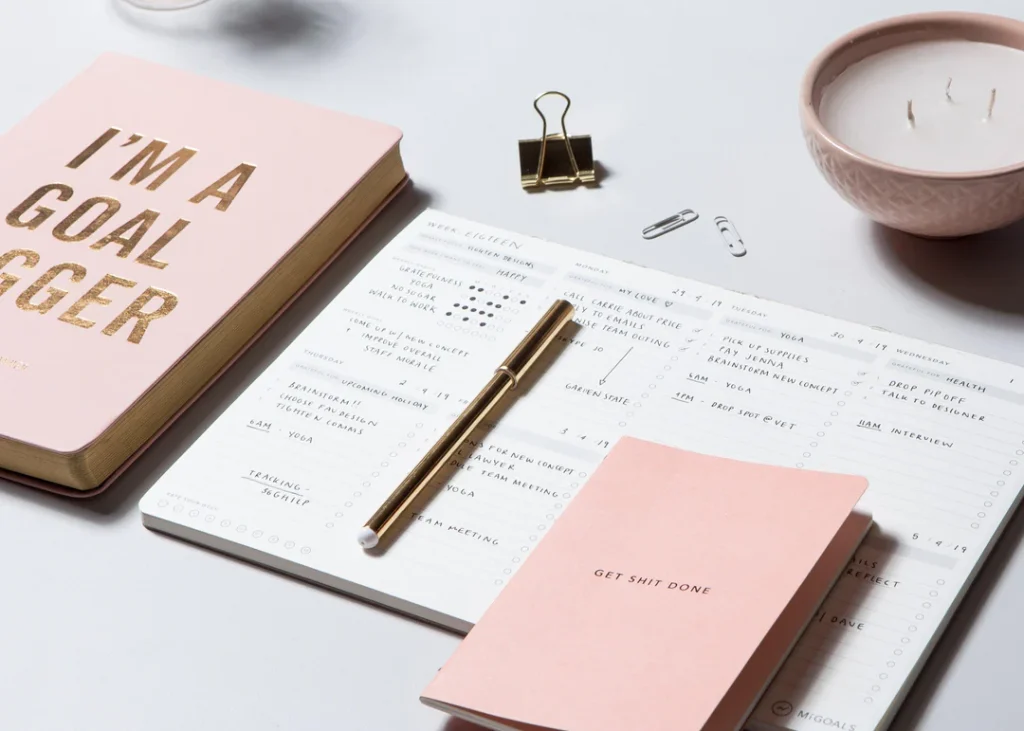
Why Productivity Looks Different in 2026
Modern productivity is no longer about doing more tasks—it’s about doing the right tasks with clarity and intention. Remote work, flexible schedules, and digital overload have made it harder to stay organized mentally.
This is where a daily planner stands out. Writing things down creates structure in a world that often feels scattered.
1. Daily Planners Help You Focus on What Truly Matters
A daily planner encourages you to prioritize tasks, not just list them. Instead of reacting to emails and messages all day, you start your morning with a clear plan.
By identifying:
- Top priorities for the day
- Tasks that move long-term goals forward
- Non-essential distractions
you gain control over your schedule rather than letting your schedule control you.
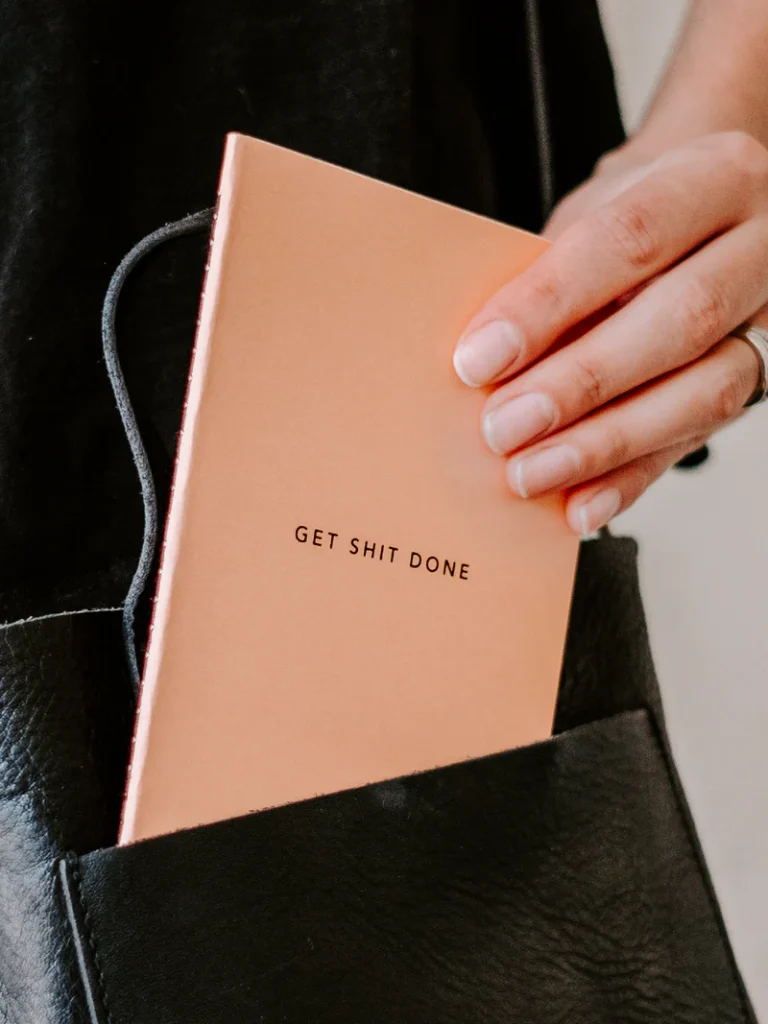
2. Better Time Management Through Visual Planning
Seeing your day laid out on paper helps you understand how your time is actually spent. Daily planners make it easier to:
- Allocate time blocks realistically
- Avoid overcommitting
- Create balance between work and personal life
This visual clarity is one of the key reasons planners continue to outperform digital to-do lists for many users.
3. Reduced Stress and Mental Overload
Keeping tasks in your head leads to unnecessary stress. A daily planner acts as an external brain, freeing up mental space so you can focus on execution instead of remembering what needs to be done.
Many users report feeling calmer and more confident simply by starting their day with a written plan.
4. Improved Consistency and Habit Building
Productivity isn’t built in a single day—it’s built through consistent habits. Daily planners help you track:
- Repeating tasks
- Personal routines
- Progress over time
By reviewing your planner regularly, you create awareness around what’s working and what needs adjustment.
5. A Daily Planner Encourages Intentional Living
In 2026, productivity is closely tied to intentional living. Daily planners don’t just organize work—they help people align daily actions with bigger life goals.
Brands like MiGOALS focus on creating planners that blend productivity with goal-setting, reflection, and motivation—helping users stay purposeful, not just busy.
Digital Tools vs Daily Planners: Why Paper Still Wins
While apps are useful, paper planners offer unique advantages:
- No notifications or pop-ups
- Better memory retention through handwriting
- Stronger emotional connection to goals
For many people, combining digital tools with a physical daily planner creates the best productivity system.
How to Use a Daily Planner Effectively
To get the most out of a daily planner:
- Plan your day the night before or first thing in the morning
- Set 3–5 priority tasks only
- Leave space for reflection at the end of the day
- Review weekly to spot patterns and improvements
Consistency matters more than perfection.
Final Thoughts
As productivity continues to evolve in 2026, daily planners remain a powerful, low-tech solution to a high-stress problem. They bring clarity, focus, and intention to daily life—helping people work smarter, not harder.
If you’re looking to boost productivity, reduce stress, and make steady progress toward your goals, adopting a daily planner may be one of the simplest and most effective changes you can make.