

 admin
admin Brick is an AI-powered workspace designed to help individuals and teams organize information, automate workflows, and improve productivity through smart data management. As AI tools continue to reshape how people work, platforms like Brick are gaining attention for offering an all-in-one solution that replaces multiple apps. This review takes a closer look at Brick’s features, usability, pricing, and overall value to help users decide whether it is a worthwhile tool.
What is Brick?

Brick is an AI-native workspace that allows users to bring documents, data, tasks, notes, and workflows together in one place. Instead of switching between spreadsheets, task managers, project boards, and note-taking tools, Brick centralizes everything into a single dashboard. The platform’s core strength lies in its ability to use AI to organize information automatically, generate insights, and support decision-making. For individuals working on complex projects or teams handling large amounts of data, this can significantly reduce time spent on manual work.
Key Features
One of the standout features of Brick is its ability to act as both a database and a workspace. Users can create tables, documents, and task boards, then connect them with relationships. This structure allows you to build a customized workflow that suits your needs, whether you are managing a content calendar, tracking sales leads, organizing research, or planning projects.
Brick’s AI capabilities enhance its functionality. The platform can analyze your data, summarize large documents, generate tasks from text, and offer recommendations to improve productivity. It also supports automated workflows, meaning you can set triggers that perform actions automatically, such as updating records or generating reports.
Another strong advantage is the simplicity of the user interface. Brick is designed to be user-friendly even for those who are not familiar with technical tools. The workspace is clean, minimal, and intuitive, allowing new users to get started quickly without a steep learning curve.
Collaboration and Flexibility
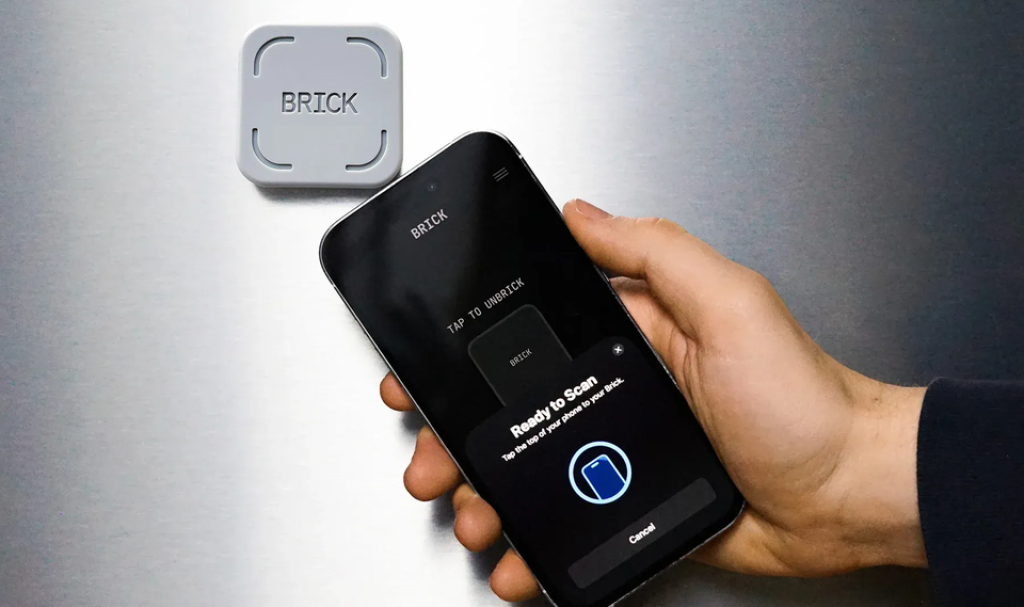
Brick supports real-time collaboration, allowing teams to work together on the same documents and databases simultaneously. Permissions can be customized, so you can control who sees what. This makes Brick suitable for startups, small businesses, and remote teams that need a shared digital environment. The ability to integrate documents, tasks, and data in one place increases team transparency and reduces miscommunication.
The flexibility of Brick is also a major benefit. Users can adapt the tool for project management, CRM systems, content creation, research organization, finance tracking, human resources, and more. The platform’s modular structure means you can design your workspace to match your workflow instead of being forced to follow rigid templates.
Pricing and Value
Brick positions itself as an affordable AI workspace compared to traditional enterprise tools. Instead of paying separately for a project management app, a notes app, a database tool, and AI assistants, users can access everything in one subscription. For freelancers, creators, and small teams, this bundling can save money while offering a more seamless experience.
The pricing is structured to appeal to both individual users and businesses. Depending on the plan, users get access to additional AI credits, automation builders, advanced sharing features, and increased workspace storage. The value is strong for anyone who wants an integrated system without the cost and complexity of using multiple tools.
Pros and Cons
Brick offers several advantages, including AI-powered automation, customizable workspaces, strong collaboration features, and an easy-to-use interface. It eliminates the need for switching between apps, making it ideal for users who want a consolidated productivity system.
However, as a relatively new platform, Brick may still be developing certain advanced features that established tools already have. Some users may also need time to adjust to building connected databases if they are used to simpler, linear tools.
Final Verdict
Brick is a powerful and flexible AI workspace for anyone looking to improve productivity, streamline workflows, and centralize data. Its combination of organization tools, automation, and AI assistance makes it a compelling option for freelancers, small teams, and businesses seeking a modern alternative to traditional project management and note-taking apps. With strong value, a clean interface, and impressive AI features, Brick is worth exploring for anyone who wants a smarter way to work.